





















A well-designed storefront sign can immediately capture customers’ attention, and using static clings on your windows is one of the simplest ways to do so. They’re a flexible, hassle-free signage solution if you like changing your displays often or when you need signs that match different occasions and seasons.
In this guide, we explain how static clings work, what surfaces they perform best on, and when they are the right choice compared to other window sign options.
What are Static Clings and How Do They Work?
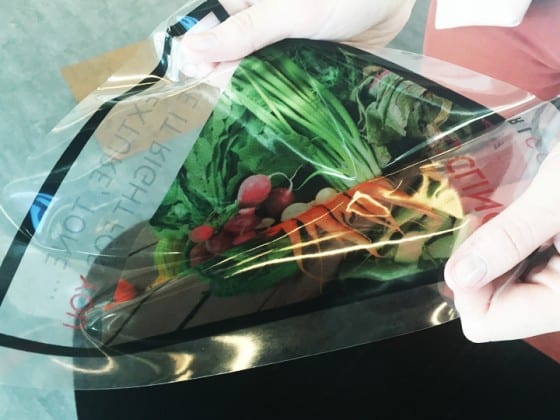
Static clings are temporary window signs that stick to smooth surfaces without using any glue or adhesive. They push air out between the cling and the surface, creating a light suction effect that holds the cling in place when pressed onto glass, smooth metal, or plastic.
Static clings can be easily removed, repositioned, and reused because they don’t leave any residue. This makes them a practical option if you need temporary window signage.
Why Static Clings are Used for Window Signs
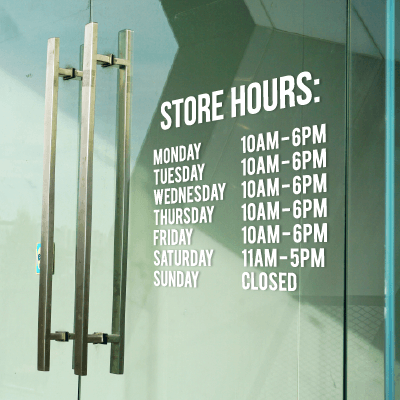
Window signs are widely used to inform, promote, or advertise, and for many business owners, static signs are one of the most versatile options available. They can be used for no-soliciting signs, security notices, seasonal messages, store hours, sales, promotions, branding, or even short-term announcements.
When choosing a window sign, most people consider:
- How clear or translucent it should be
- If the sign will be viewed from inside or outside
- If it will be displayed temporarily or long-term
These considerations often lead to a choice between window decals and window clings. Window decals use adhesive and are semi-permanent, while window clings are non-adhesive and designed for temporary use without leaving any residue.
Static clings are often chosen when flexibility and clean removal matter the most.
Why are They Called Static Clings? Do They Use Static Electricity?
No, static clings do not rely on static electricity.
Static electricity happens when electrical charges build up and attract or repel objects. If static clings worked this way, they would repel themselves the same way that magnets with the same charge do. In reality, static clings stick to themselves, which confirms that static electricity is not involved.
They also stick to smooth metal surfaces, which means that static electricity is not the mechanism at work since metal conducts electricity.
What Surfaces Work Best for Static Clings?
Surface type affects the performance of static clings. They work best on the following surfaces:
Glass
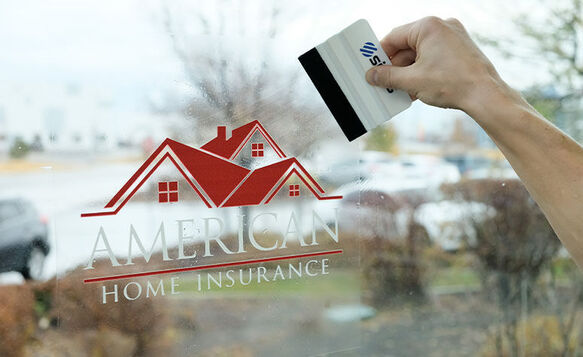
Smooth metal
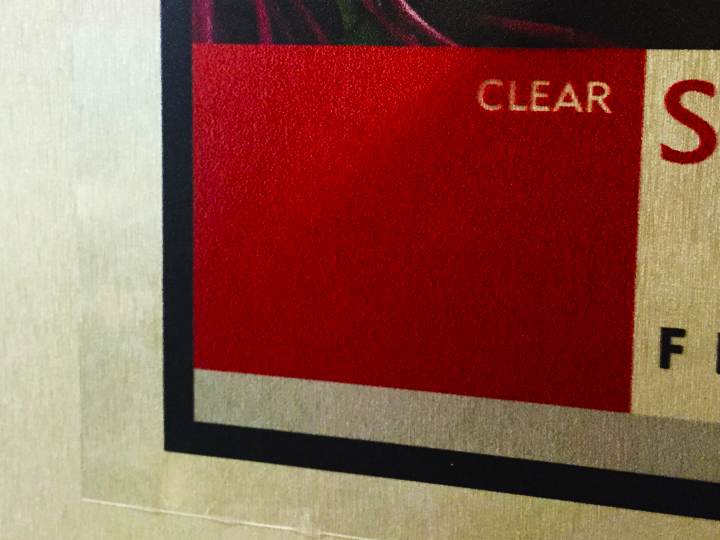
Smooth plastic
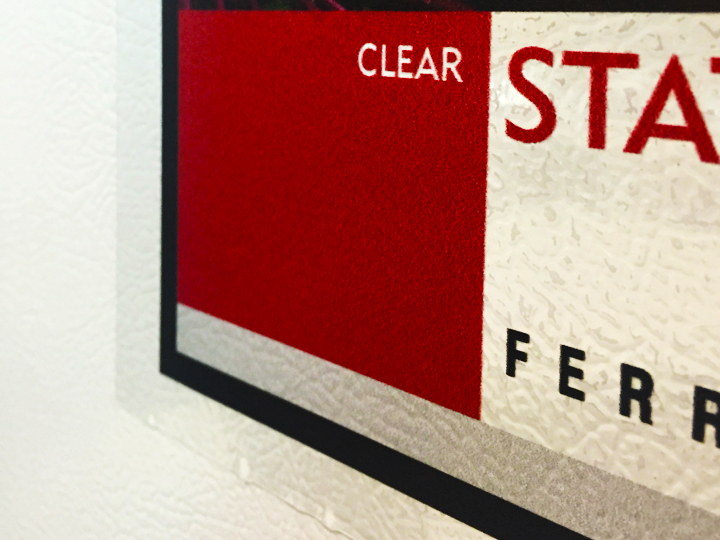
Static clings do not work well on porous, rough, or uneven surfaces such as wood, brick, paper, fabric, or painted walls, as they prevent the suction effect from forming correctly.
Because static clings rely on surface contact rather than adhesive, they’re typically recommended for indoor use. Wind, rain, and humidity can cause clings to peel or fall over time, so they’re not ideal for outdoor conditions.
For storefronts, inside-glass static clings are often the best option. These are applied to the interior of the window, but designed to be read from outside, providing protection to the cling from weather while keeping the message visible.
Do Environmental Conditions Affect the Performance of Static Clings?
Yes. Environmental conditions can affect how well a static cling holds onto a surface. Some factors that may reduce their stickiness include:
- High humidity
- Moist or wet surfaces
- Dust, dirt, or grease buildup
- Extreme temperatures
Make sure to lean the surface thoroughly and keep it completely dry before application to get the best results.
How Many Times Can a Static Cling Be Reused?
There is no specific limit on how many times you can reuse static clings. While they are designed for removal and reapplication, repeated handling can also shorten their usability. A static cling that is applied once and left in place will last longer than one that is removed and reapplied often.
In some cases, static clings lose their stickiness over time. Some common causes adhesion loss includes the following:
- Printed areas reducing suction
- Use of harsh or abrasive cleaners
- Application to unsuitable surfaces
- Long-term storage without use
- Exposure to moisture or high humidity
- Dirt or grime buildup
Even so, reusability remains one of the primary advantages of static clings compared to adhesive window signs. Gently washing the cling with mild detergent and water can help restore performance and remove residue. With proper care and correct application, static clings can remain usable for several years.
Static clings are a great solution when you’re looking for a temporary, flexible, and residue-free window signage. Because they rely on suction rather than adhesive, they’re easy to remove, reposition, and reuse unlike other window signs.
When applied to clean, smooth surfaces and used in the right environment, static clings are a practical, affordable, and effective choice for any setting.
Frequently Asked Questions
Do static clings use static electricity?
No. Static clings stick on surfaces due to a light suction effect, not static electricity.
Do static clings use adhesive?
No. Static clings do not use any glue or adhesive.
What surfaces are best for static clings?
Smooth, nonporous surfaces such as glass, metal, and plastic are suitable for static clings.
Are static clings good temporary signages?
Yes. Static clings are ideal for temporary window signage and seasonal use because they are removable and reusable.
Can static clings be used outdoors?
They can be used outdoors temporarily, but indoor application is still best since outdoor conditions can affect their adhesion.