
Do political signs really make a difference during election season?
Yes, but probably not in the way most people think.
Campaign signs are visibility tools, not persuasion tools. They mainly help people see and remember a candidate’s name, rather than change anyone’s mind. They remind supporters to vote, show that a campaign is active, and help build recognition in the community. While signs usually don’t sway strong opinions, they can make a difference when voters are choosing names they don’t know well, especially in local elections where name recognition matters most.
This guide covers what campaign signs can actually do, how to use them well during the election, and how to create a strong visibility plan in the weeks leading up to Election Day.
What Political Signs Can Realistically Achieve
When campaign teams put up election signs or hand out printed materials, they should know what these efforts really achieve.
Instead of asking, "Do signs change votes?" Campaign managers should focus on questions like, "How can we use signs to boost visibility, encourage voter turnout, and check if our strategy is working?"
They can then translate these questions into their print campaign objectives:
- Increase Awareness
- Reinforce Existing Support
- Encourage Voting Action
Awareness Is Different from Persuasion
Campaign signs usually do not persuade voters as much as direct voter contact methods like canvassing, phone banking, debates, or advertising. Still, signs help make a candidate more visible, boosting name recognition and showing the campaign is serious.
Here is how these ideas relate to the three main goals of a campaign:
| Campaign goal | Purpose | Measuring success |
|---|---|---|
| Increase Awareness | Help more voters get to know the candidate before they decide how to vote by boosting name recognition. | Listen to volunteer feedback, canvassing conversations, voter surveys, and online comments to find out if people recognize the candidate. |
| Reinforce Existing Support | Make sure the campaign stays visible, so supporters see the candidate often during their daily routines and around their neighborhoods. | Check where campaign signs are placed and look for busy areas where voters will see them often during the election season. |
| Encourage Voting Action | Remind supporters about early voting and Election Day, so voting stays on their minds. | Watch early voting activity near sign locations, collect what volunteers notice, and check QR code scans if signs have them. |
In local elections, voters might not know much about the candidates. Seeing a candidate’s name several times can help people remember it when they vote.
This is why campaign signs work best when used along with:
- Door-to-door canvassing
- Direct mail
- Community events
- Local news coverage
- Digital advertising
- Social media campaigns
Signs do not replace these efforts. Instead, they help support and strengthen them.
How Campaign Managers Should Measure Signage Performance
Political signs depend on field observations and organized tracking, not clicks or analytics. Checking sign visibility throughout the campaign helps you spot gaps, decide where to replace signs, and make sure key spots stay covered as Election Day gets closer.
1. Measure Coverage Rate
Check which planned sign locations have signs installed to see how much your target area is covered. If coverage is low, you can spot neighborhoods and intersections where your campaign is less visible than you hoped.
2. Estimate Visibility Potential
List your sign locations by how much vehicle and foot traffic they get to estimate how many people might see each one. Comparing busy and quiet spots helps you decide if your signs are in the best places to get noticed.
3. Monitor Sign Retention
Keep track of how many signs stay up during the campaign and how often you need to replace them. If signs are lost often because of weather, vandalism, or removal, it means visibility is dropping and those areas may need more attention.
4. Analyze Field Reports
Look over volunteer notes to spot ongoing visibility problems, like blocked signs, new traffic patterns, or lots of competitor signs. These reports show where your campaign is getting attention and help you plan where to put signs next.
Optimizing Your Signs for Early Elections
Now that you know what campaign signs can do, how can you make the most of them? Many campaign teams plan for early voters who cast ballots before Election Day. If your area has early voting or vote-by-mail, create signs that support those voting periods instead of waiting until the last weekend.
Here’s a typical process you can use:
1. Build Name Recognition Before Early Voting Opens
A few weeks before early voting starts, focus on making your campaign visible. Put yard signs in neighborhoods, hang banners at your headquarters, and put up posters in volunteer offices to help voters get to know the candidate.
2. Update Signs to Support Early Voting
When early voting begins, update your signs to encourage people to vote. Highlight reminders, polling details, and early voting options. Window clings work well in campaign offices since they share updates without taking up outdoor space.
3. Increase Visibility During the Final Week
As Election Day gets closer, move or add more signs along busy roads, main intersections, community spots, and volunteer areas. This helps more likely voters see your message every day.
Optimizing Political Signs by and Goal
It's also important to think about how many signs you can use and what types are allowed for your campaign. Choosing the right print materials can help you reach your audience and address specific needs in different areas.
This chart can help you get the most out of your election signs for different goals:
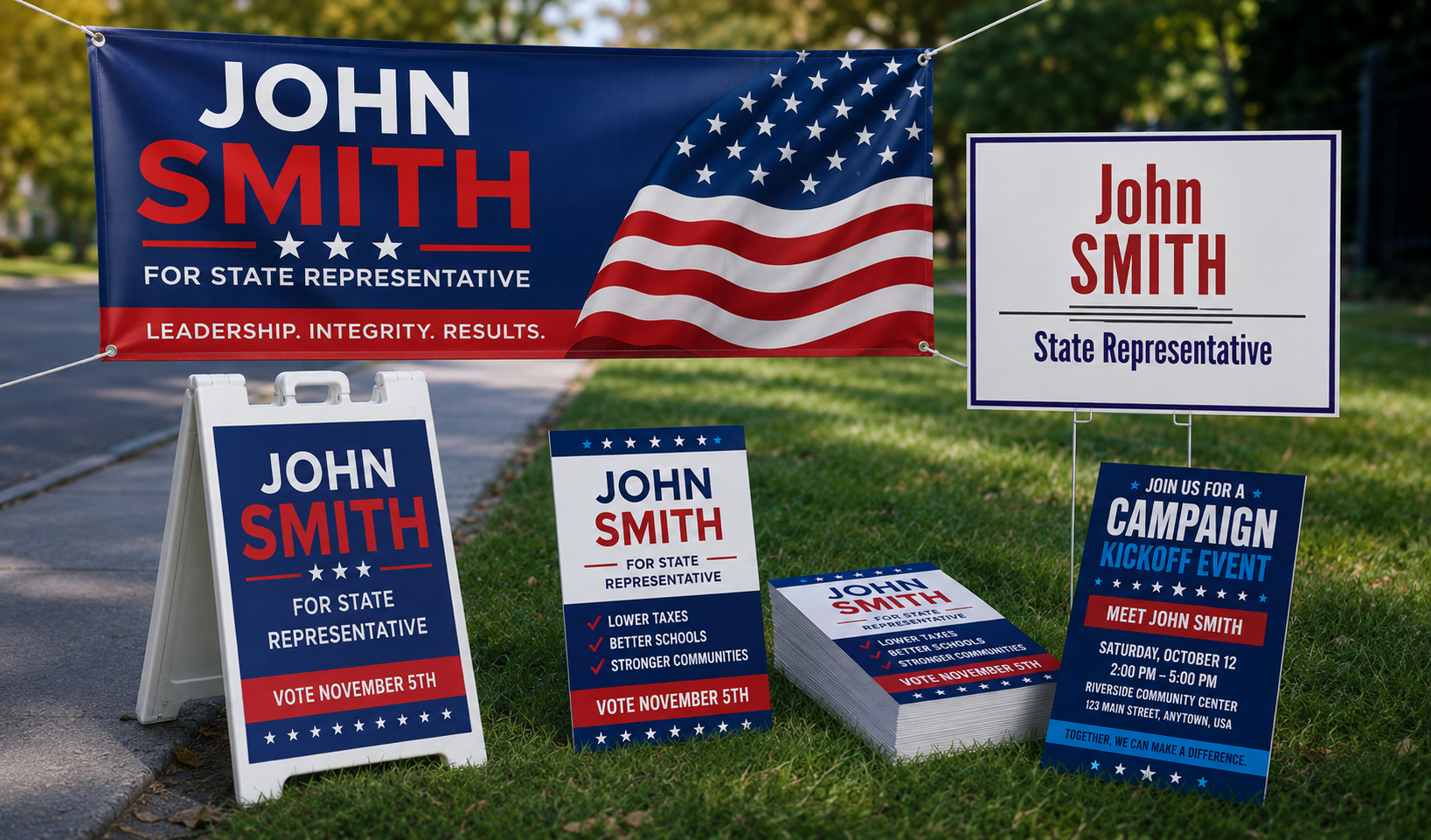
| Campaign goal | Recommended signs | Why it works |
|---|---|---|
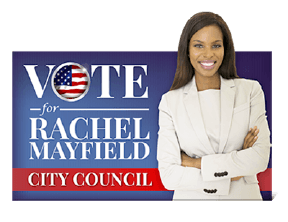
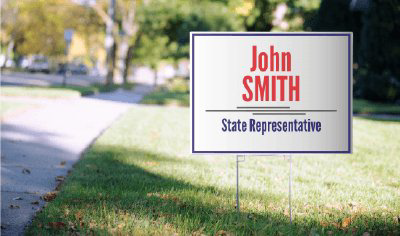
| Build Neighborhood Name Recognition | Yard Signs | Yard signs help people see your campaign regularly as they move through their neighborhoods. |
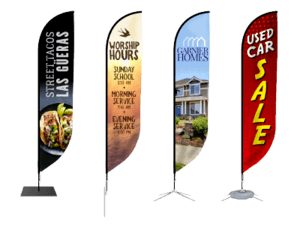
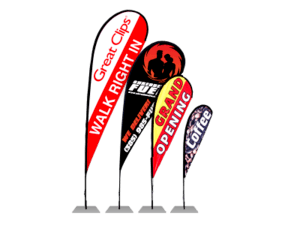
| Promote Campaign Events | Banners | Large banners make it easy for people to spot rallies, headquarters, and volunteer events from far away. |
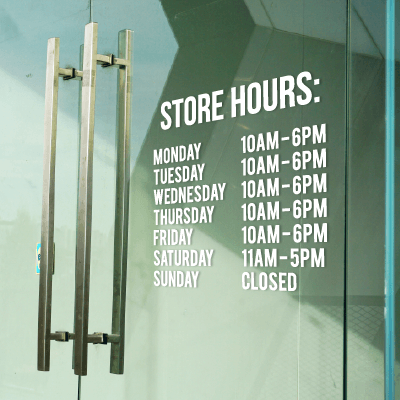
| Share Campaign Office Information | Window Clings | Window clings remind people to vote and still let natural light into the campaign office. |
| Maintain Professional Indoor Branding | Retractable Banner Stands | Retractable banners give your campaign a professional look during interviews, speeches, and indoor events. |
| Post Temporary Campaign Announcements | Posters | Posters share important updates in places where supporters often meet indoors. |
Practical Tips Campaign Managers Can Apply Immediately
Understanding how political signs support your election campaign is important for your overall strategy. Try using different types of signs in your meetings to check if your campaign covers all the key elements.
- Create a precinct map before you print signs. This way, you can place signs based on where voters are, not just where it is easiest for volunteers.
- Check the condition of your signs every day during the last week of the campaign.
- Make sure your signs are set up to match your canvassing schedule and any community events.
- Keep some extra signs on hand for any surprises, instead of putting out all your signs at once.
- Track how well your signs are seen by looking at where they are placed, how well they are maintained, and what your volunteers notice, rather than trying to link signs directly to votes.
- Change your sign messages as the campaign goes on. Start with raising awareness, then focus on reminding people to vote as early voting and Election Day get closer.
Frequently Asked Questions
Yard signs mostly help people notice your campaign and remember the candidate’s name, but they rarely change anyone’s mind. They work best when you also use canvassing, advertising, direct mail, and community outreach.
How many signs you need depends on your district’s size, your budget, how many volunteers you have, and local rules. It’s better to put signs in important spots than to just order as many as possible.
Start putting up signs before early voting begins to build awareness. Add more signs during early voting, and keep key spots covered through Election Week. Always follow local election rules.
Keep track of things like where your signs are, how well they’re maintained, what volunteers report, and if important intersections and neighborhoods see your signs regularly. These details give you better feedback than trying to link signs directly to votes.
Final Thoughts
Political signs work best when they are part of a well-organized campaign from the start of outreach until Election Day. Placing signs consistently, checking on them regularly, and making smart changes help keep your message in front of voters as your campaign evolves. Keeping notes on where you put signs, which spots work best, and what you see in the field can also give you helpful ideas for future campaigns.
Above all, campaign teams should focus on using print signs and banners to motivate people to get involved and encourage others to vote, rather than just trying to persuade them. When you need dependable campaign signs, Signs.com can provide custom options to help your campaign stay organized, visible, and prepared for every step of the election.