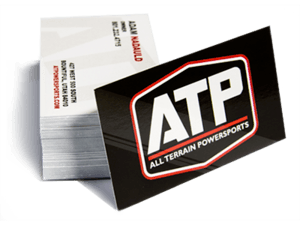

What is Store Signage?
Retail store signage covers all the visual elements inside and outside your shop that speak to your customers. Things like storefront displays, in-store guides, directional signs, and promotional banners are all signage designed to improve your customers’ experience. For small and medium businesses, signs do more than decorate your space. They guide customers, promote your business, and help people find what they need. Placing the right signs in the right spots help boost your sales and make your brand more visible by leaving a good impression. This guide will walk you through easy, practical steps to plan, design, and print signs that fit your brand well.
Categorizing Store Signages
Store signage serves three main purposes: building brand visibility, guiding customers, and encouraging purchases. There are also important safety and security signs, as well as signs that can change the store’s overall mood to match the seasons.
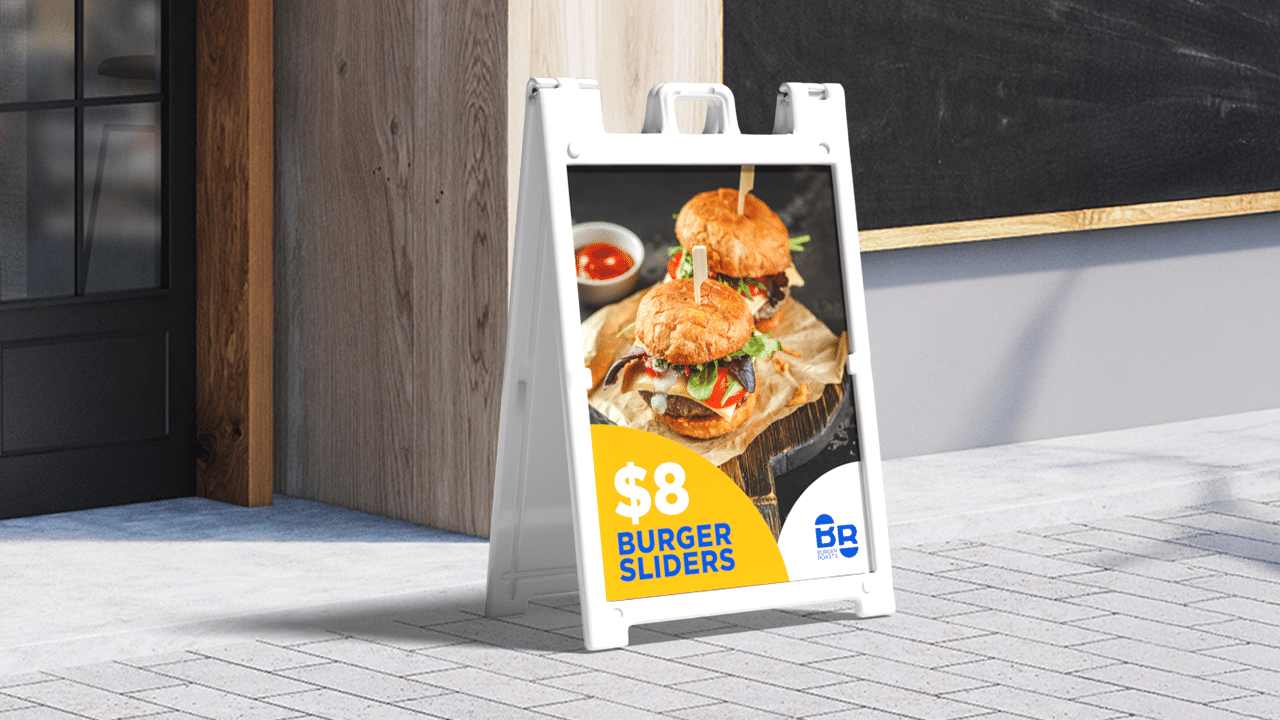
1. Exterior and Storefront Signage
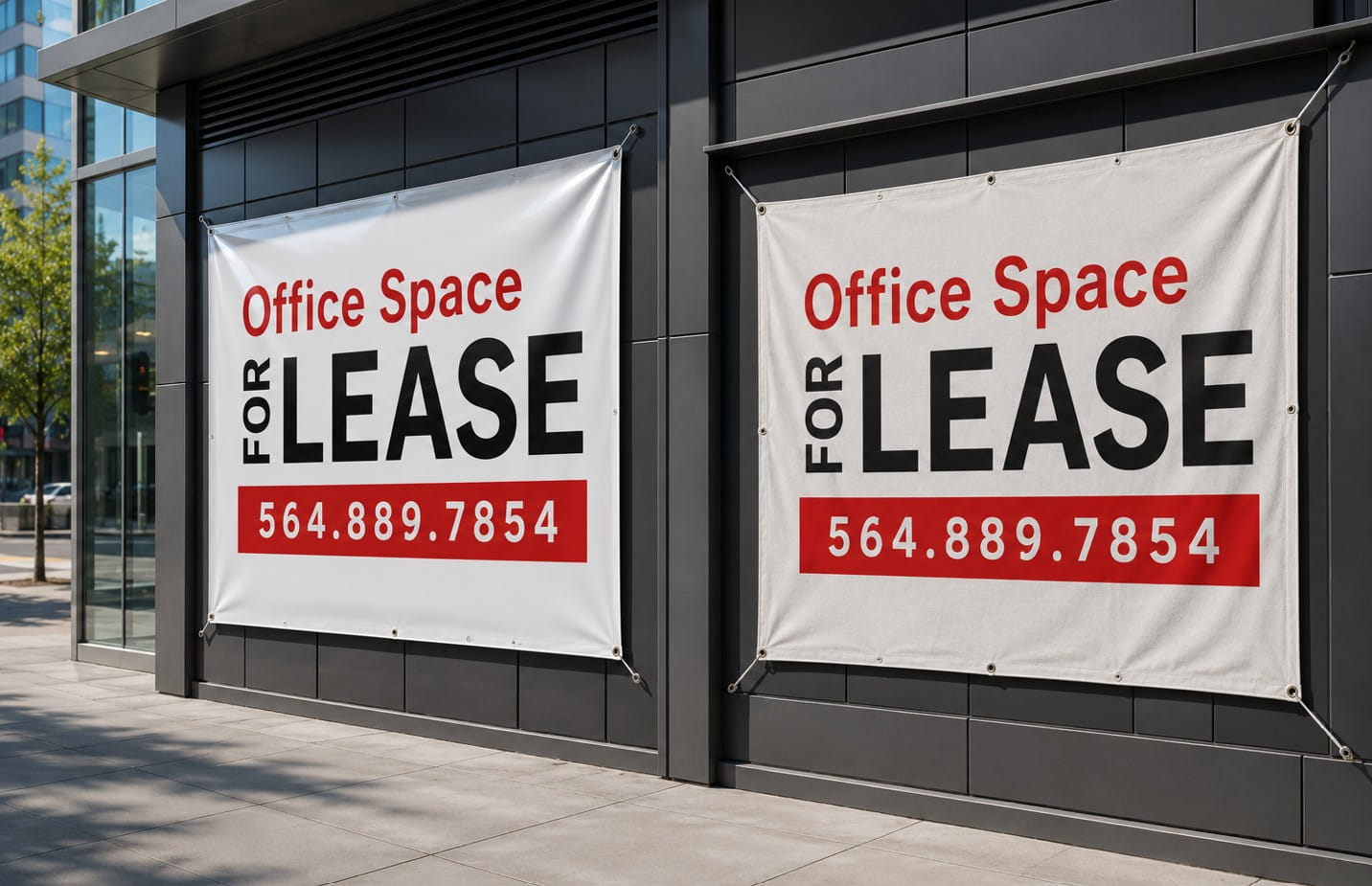
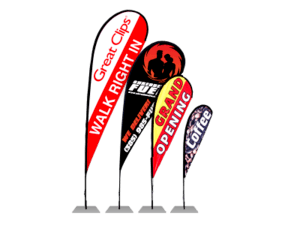
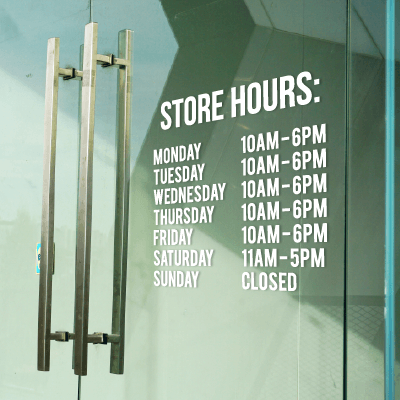
These signs and banners help draw customers to your store. They are usually the biggest and most noticeable even when seen from far away. Some of the most common examples of signage are shop signs, outdoor banners, large posters, and window decals.
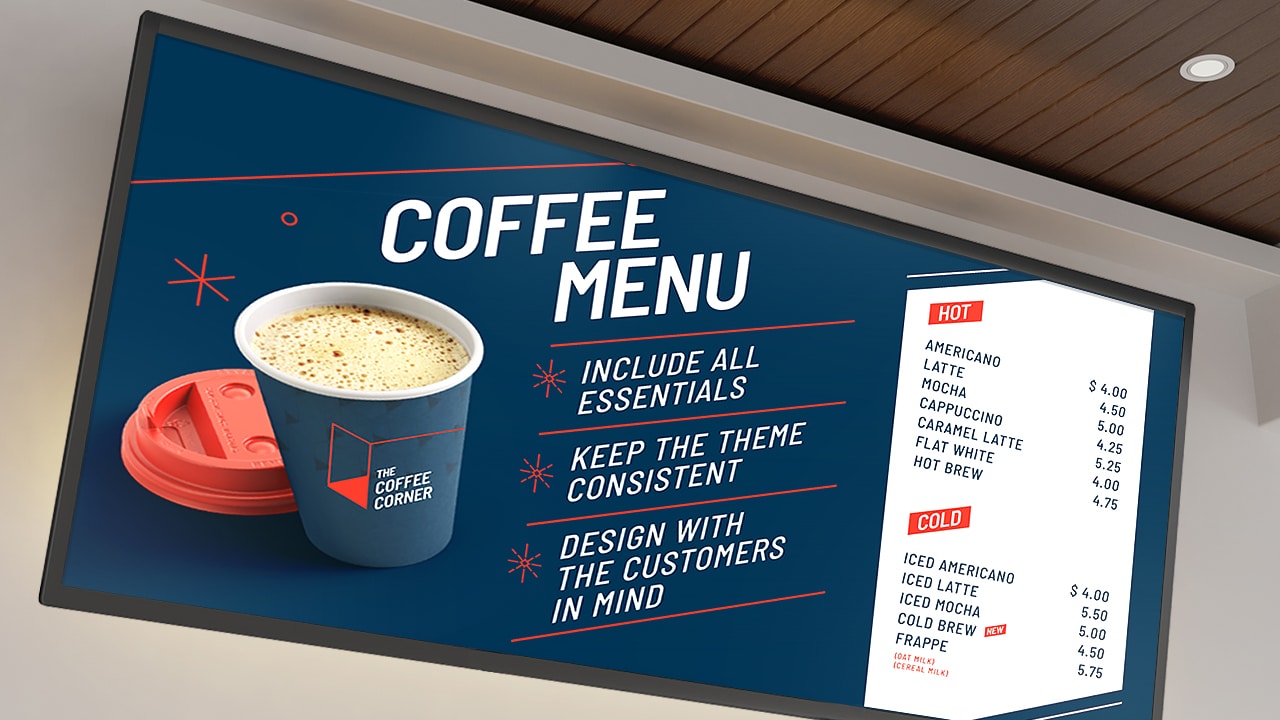
2. Interior Signs and Wayfinding Signage
Signs and visual cues inside your store help customers find their way. Hanging boards, aisle markers, floor decals, and shelf price signs all make it easier for shoppers to navigate your establishment and find the items they need.
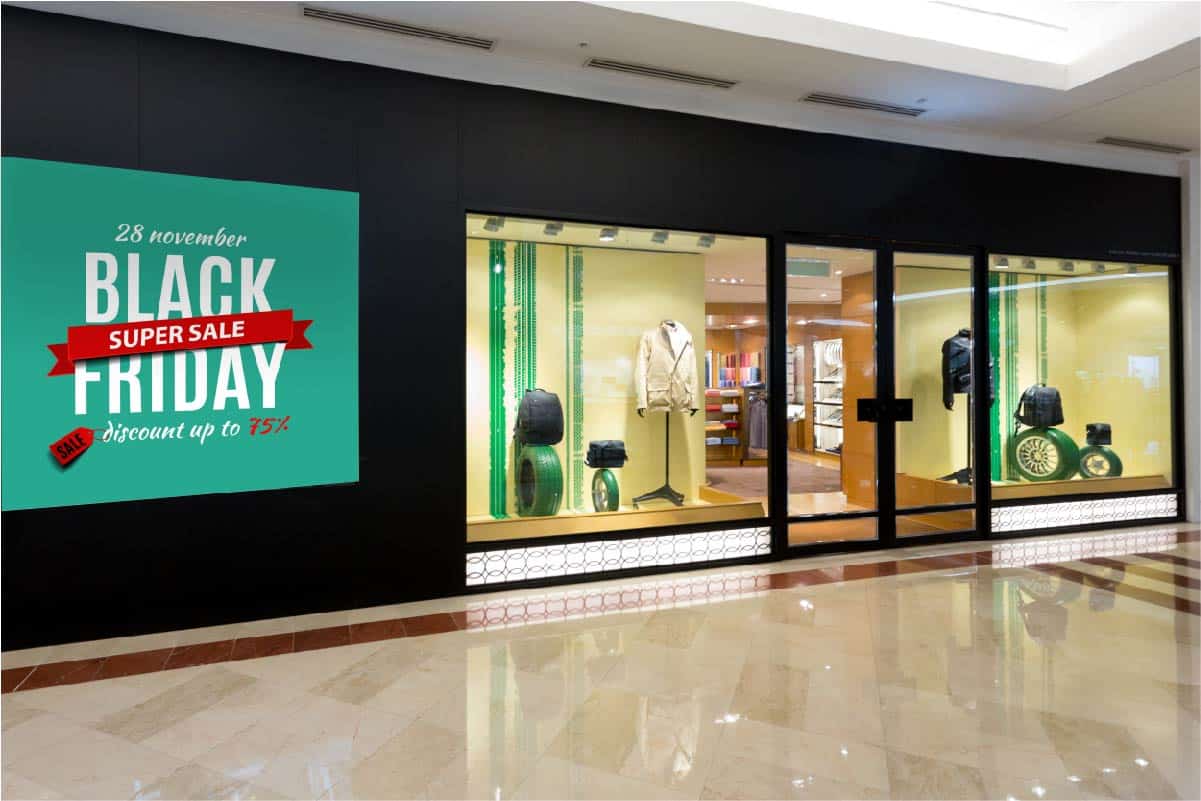
3. Seasonal Signs and Promotional Banners
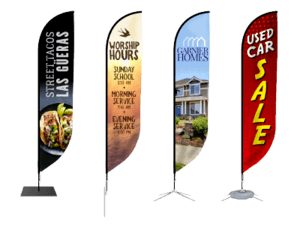
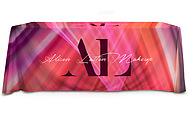
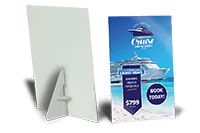
These temporary signs designed for seasonal sales are easy to set up. They are great for special events or short-term offers as they help create a sense of urgency. Small banners, retractable displays, A-frames, posters, and promo flags can also change the vibe of your store to match the seasons or holidays.
4. Safety and Regulatory Signs
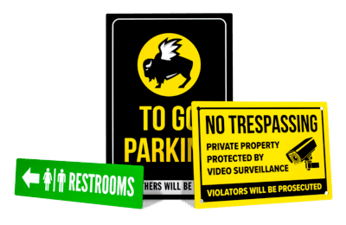
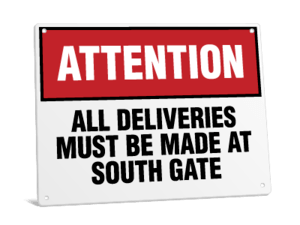
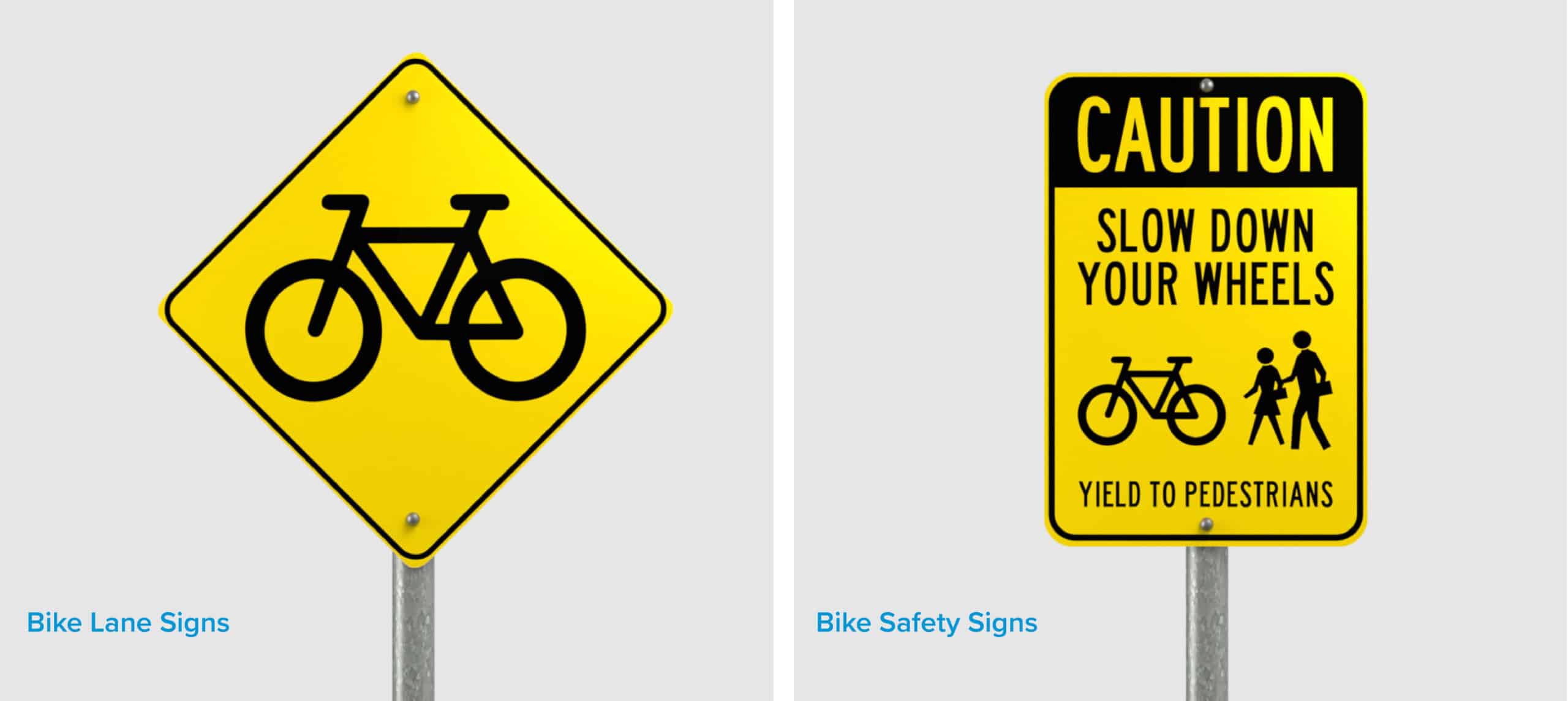
These signs focus on rules and customer safety. They help everyone follow the right procedures. Some of the most common safety and regulatory signs include Emergency Exit Signs, No Smoking Signs, Accessibility or PWD-related signs, Staff Only, Parking Signs and Traffic Signs.
Key Signage Design Principles
When you know the different signage options for your store, it becomes easier to create a design system where your signs and banners look good together and are easy to read. By following a few key principles, your signs will clearly convey your message, catch people’s attention, and remain consistent with your branding.
1. Focus on Readability
- Use clean, simple fonts that clearly communicate your message and promotions.
- Choose concise words that deliver information quickly and clearly.
- Apply a strong color contrast to significantly improve visibility and readability.
2. Create a Visual Hierarchy of Texts
- Start with a clear headline that highlights the main message.
- Add supporting text with minimal details and essential contact information.
- Include high-quality images to reinforce and visually support your message.
3. Color Your Signs with a Purpose
- Use color combinations that attract attention without overwhelming your audience.
- Maintain brand consistency by applying your signature colors across designs.
- You may also consider using familiar color combinations that represent a special occasion (think Christmas-themed reds and greens).
4. Use Layouts and Templates for Accuracy
- Download and use design templates to help you structure your signage correctly.
- Keep margins even so your layout looks clean and balanced.
- Use the bleed and trim lines to keep everything aligned.
- Review the free proofs – these files give you an idea how the final signs look when they are printed.
Other Signage Elements to Consider for Your Store

Finally, think about the practical details of your signage. This helps you understand how well your signs will work, how long they are meant to last, how you plan to use them, and what rules you need to follow before putting them up in your store.
1. Indoor vs. Outdoor Materials
Choose which signs will be used inside and which will go outside. Outdoor signs should be made from weather-resistant materials. For indoor signs, you can focus on high-quality finishes and detailed printing to make them look their best.
2. Durability and Maintenance
Establish a regular cleaning and storage routine to keep your signs in good condition. Rotate your signs periodically to keep your displays fresh, interesting, and attractive.
Regulations and Accessibility
Check your local rules for signs, such as size and placement limits. Make sure your signs do not block walkways and always keep safety and accessibility signs easy to see and up to date.
Conclusion
Store signage remain essential for running and growing your retail business, making regular updates a smart and worthwhile investment. Even small changes, like clearer messages, better sign placement, and consistent branding, can make your store more visible and improve the customer experience.
When your signs clearly share promotions and your brand message, your store feels more inviting and organized. If you’re looking for practical, high-quality options, check out Signs.com for your next signage upgrade.