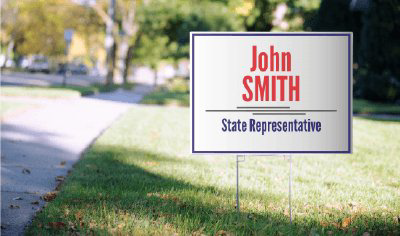

Every election campaign has to figure out how to plan a strategy using different print materials. When it comes to budgeting, campaign managers often wonder, "How many yard signs should we order?"
A better question to ask is, "What mix of campaign materials will give us the most visibility for our budget and district?"
The answer depends on three main factors:
- The size of your campaign district.
- The number of registered or likely voters you need to reach.
- Your campaign budget and overall strategy.
This guide offers a practical framework to help campaign managers estimate how many signs they need and balance their campaign materials wisely. Instead of focusing on just one product, create a comprehensive signage plan that boosts voter recognition during your campaign.
Start With Your Campaign Coverage Strategy
Before you decide which print materials to use, start by figuring out where your campaign needs to be seen. Your printing plan should help your field strategy, support your volunteers, and reach voters. To get the most out of your print budget, think about your district as different visibility zones.
| Visibility Zone | Primary Objective | Recommended Materials |
|---|---|---|
| High-Traffic Intersections | Grab drivers’ attention and help more people recognize the candidate during the campaign. | Large banners and posters make your message stand out and can be seen from far away. |
| Residential Neighborhoods | Make sure voters see the candidate’s name often in the places they live and travel. | Yard signs help keep the campaign visible in neighborhoods and remind people of the candidate’s name. |
| Community Events | Greet people at events and let new supporters know about the campaign. | Banners, brochures, and flyers encourage conversations while providing helpful campaign information. |
| Door-to-Door Canvassing | Talk with local voters and share more details about the campaign. | Hand out flyers and brochures so residents have something helpful to look at later. |
| Campaign Headquarters | Show a professional campaign image to help people feel confident and trust your team. | Use banners and posters to make your headquarters look polished and keep your campaign branding consistent. |
| Volunteer Staging Areas | Help volunteers stay organized and make sure your campaign’s look is always clear. | Place yard signs and banners to boost your branding and make volunteer locations easy to find. |
By identifying where you want to stage your campaign events and other election-related activities, you can easily point out which materials would fit best with your planning.
The Three Variables That Determine Your Election-Related Signage
To figure out how many signs you need for your campaign, start by looking at three main things: the size of your district, the number of voters, and the kind of election strategy you plan to use.
District Size
The size of your campaign area affects how much print coverage you will need. Look at the geographic area, neighborhoods, voting precincts, and main travel routes to figure out both how many signs you need and where to put them.
Voter Population
Knowing how many voters live in each area helps you decide where your print materials will work best. Estimate the number of voters in each spot, then focus on busy neighborhoods, polling places, and routes where voters often travel.
Campaign Strategy
Your print materials should also help with your outreach and campaign work. Choose materials that can support your digital ads, direct mail, events, volunteer efforts, and fundraising.
Recommended Campaign Materials by Race Type
Once you have information on your district size, voter population, and campaign strategy, adjust your print order to match the type of election. Bigger races usually need more visibility and outreach, while local elections often do well with fewer materials. Start with the table below, then adjust your order to match your campaign’s needs.
| Race Type | Yard Signs | Banners | Flyers | Brochures | Posters |
|---|---|---|---|---|---|
| School Board | Moderate neighborhood coverage | Limited key locations | Moderate community distribution | Moderate informational handouts | Limited public displays |
| City Council | Moderate district-wide placement | Moderate event and roadside use | Moderate to high distribution | Moderate voter education | Moderate public visibility |
| Mayor | High citywide visibility | High event and intersection coverage | High household distribution | High campaign outreach | Moderate promotional displays |
| County Office | High coverage across communities | High roadside visibility | High voter distribution | Moderate educational materials | Moderate public placement |
| State Legislative | High district-wide coverage | High visibility in major corridors | High voter outreach | High campaign information | Moderate to high public displays |
Understanding Election Print Materials and How to Maximize Them
Understanding the scale and scope of your campaign is a vital first step. You also need to know how to maximize each print material you choose. Each campaign print material plays a unique role in reaching voters. Some products build visibility throughout the district. Others provide detailed information during face-to-face interactions. Understanding how each works is important for building a balanced print strategy rather than relying on a single marketing tool.
| Print Material | Best Use Case | Strengths | Challenges |
|---|---|---|---|
| Yard Signs | Yard signs help your candidate get noticed in the neighborhood and keep their name in voters’ minds during the campaign. | They give your campaign visibility, and volunteers can put them up in many places with little effort. | They have limited space for messages, and you need to follow local rules about where you can place them. |
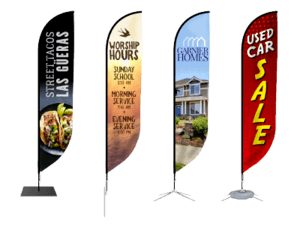
| Banners | Banners are great for drawing attention at rallies, campaign offices, events, and busy roads. | They showcase your campaign’s branding and are clearly visible from a distance. | Make sure to hang banners in secure spots and choose locations where lots of people will see them. |
| Flyers | Flyers are useful for sharing campaign highlights when canvassing, at events, or when talking with voters. | They’re affordable handouts that volunteers can give out regularly in neighborhoods you want to reach. | They usually hold a small amount of information, and people often discard them after reading it once. |
| Brochures | Brochures let you explain your candidate’s platform, priorities, and campaign details to voters who want to know more. | They have plenty of space for policies, endorsements, and detailed campaign messages in a professional format. | Brochures cost more than flyers and need more planning to distribute well. |
| Posters | Posters help your campaign stand out inside businesses, offices, community boards, and event spaces. | They feature large graphics that boost your branding in high-traffic indoor areas. | You’ll need to find available spots and get permission from property owners before putting up posters. |
Some Final Tips for Planning Campaign Print Materials
Plan your print materials in advance to save money and reach more voters. Map out your district, target the most visible spots, and print materials in stages as your campaign expands. Work with volunteers to install signs, follow local election rules, and keep your branding consistent across all campaign products to help voters remember you.
Building a Consistent Campaign Brand with All the Print Materials
Election campaign materials work best when they all look like part of the same effort. Use the same brand name, logo, colors, fonts, slogan, contact details, and other key information on every piece you create. This way, voters will quickly recognize your campaign when they see your signs, banners, flyers, or brochures. Each interaction should remind them of your candidate and message.
Do Regular Checks with Your Campaign Material Strategy
As your campaign moves forward, keep checking how your print materials are used. Make sure signs are in the most important spots, volunteers have enough flyers and brochures, events show clear campaign branding, and all materials look consistent. These regular checks help you spot any gaps and keep your printing strategy strong for voter outreach during the election.
Frequently Asked Questions
The number you need depends on your district’s size, how many voters live there, how many volunteers you have, where you can place signs, and your budget. Begin by mapping out key neighborhoods before deciding how many to order.
Yard signs and flyers each have their own role. Yard signs help keep your campaign visible, while flyers are useful for reaching voters directly during canvassing or at events. Most campaigns get better results by using both instead of just one.
Many campaigns print materials in several rounds. If you order everything at once, it’s harder to update your message, restock popular items, or react to new needs as the campaign goes on.
Create a basic brand guide that lists your campaign’s colors, fonts, logo rules, where to put your slogan, and contact details. Use these same standards on all printed materials so voters always see a consistent campaign look.
Final Thoughts
A good print strategy can make a big difference for any political campaign. Picking the right mix of yard signs, banners, flyers, brochures, and posters helps you stay visible from your first announcement through Election Day. Careful planning, smart placement, and organized volunteer efforts make each printed piece work for your political message and provide the support your candidate needs. When you’re ready to get started, Signs.com delivers high-quality campaign materials you can count on.